How to Draw Cartoon Eyes

This simple step-by-step tutorial will show you how to draw cartoon eyes, make them recognizable, and depict emotions.
Cartoon eyes are a generalized concept that refers to a stylized way of drawing this part of a character’s face.
This means that cartoon eyes can vary greatly, have very different appearances, and represent different characters.
However, they are usually united by a number of characteristic features and drawing methods, which we will discuss in this lesson.
At the end, we will explain how artists make eyes expressive and recognizable, and how to practice your ability to draw cartoon eyes while conveying clear emotions.
How to draw cartoon eyes step by step
Step 1: Sketch cross guides for eye placement
Cartoon eyes often have exaggerated or modified proportions, even though they still follow the basic principles of drawing. For example, cartoon eyes are often depicted as elongated ovals. To convey this, first draw a light horizontal line of symmetry, then draw a tall vertical line. This line will help you place both eyes symmetrically and correctly.

Step 2: Draw the lower edges of the cartoon eyes
Now, on both sides of the vertical line, draw two curved shapes along the horizontal line. These represent the lower eyelids, or the upper edges of the cheeks. This approach is very often used in animation to depict character eyes, simplifying the structure and giving them a recognizable appearance.

Step 3: Draw the elongated oval eye shapes
From these two short lines, draw two vertically elongated shapes resembling ovals. You can tilt them slightly away from the center line to make the eyes more expressive. You can also adjust the shape of these ovals as you wish, making them shorter or longer, wider or narrower.

Step 4: Sketch the oval irises and pupils
Inside these ovals, draw the irises symmetrically as vertically elongated smooth shapes. Inside them, draw the pupils slightly smaller in size. In cartoon eyes, the pupils do not necessarily have to be round and can also be oval. Sometimes they can even take the shape of a dollar sign or a spiral to convey a specific emotion or effect.

Step 5: Draw the cartoon eyelashes
On the upper eyelids, draw the eyelashes as long, slightly curved lines. For greater believability, draw the eyelashes from the roots toward the tips, gradually making them thinner. Try to arrange them so they spread outward smoothly rather than pointing in the same direction.

Step 6: Fill the pupils with even hatching
Shade the pupils with flat, even hatching, avoiding tonal transitions or gradients. You can also add highlights or apply a light tone to the irises.

Step 7: Finalize the cartoon eye outlines
Check your entire cartoon eye drawing and make sure it is symmetrical and that no elements stand out from the overall image. Remove the construction lines used earlier. At this stage, you can also outline your drawing with darker, more contrasting lines or add color.

Key features of drawing cartoon eyes
So, what principles form the basis of drawing cartoon eyes, and what should you keep in mind each time you draw them?
The first and most important thing to remember is that, despite their simplicity, cartoon eyes follow the basic principles that underlie drawing.
These are the same principles explained in our basic drawing course: symmetry, proportionality, linear and aerial perspective, volume, and so on. All of these principles apply equally to both drawing realistic eyes and cartoon styles.
In other words, eyes drawn in a cartoon style should still look convincing. If the character does not imply asymmetry, the eyes should be symmetrical to each other.
They should follow the rules of perspective, meaning they should not look unnatural when the head is turned. And despite their apparent flatness, they should still have a basic sense of volume.

In addition to following the basic principles of drawing, another important approach in drawing cartoon characters and their eyes is strong simplification.
Instead of adding all the details and nuances, as well as rendering halftones and highlights, artists often simplify cartoon eyes significantly.
Instead of naturalistic forms, simple spheres or ovals are used; instead of detailed eyebrows, simple thick curved lines are drawn; instead of detailed pupils, black circles are used.
This is done not only to speed up the process of drawing cartoon characters, but also to make them more expressive and easily recognizable.
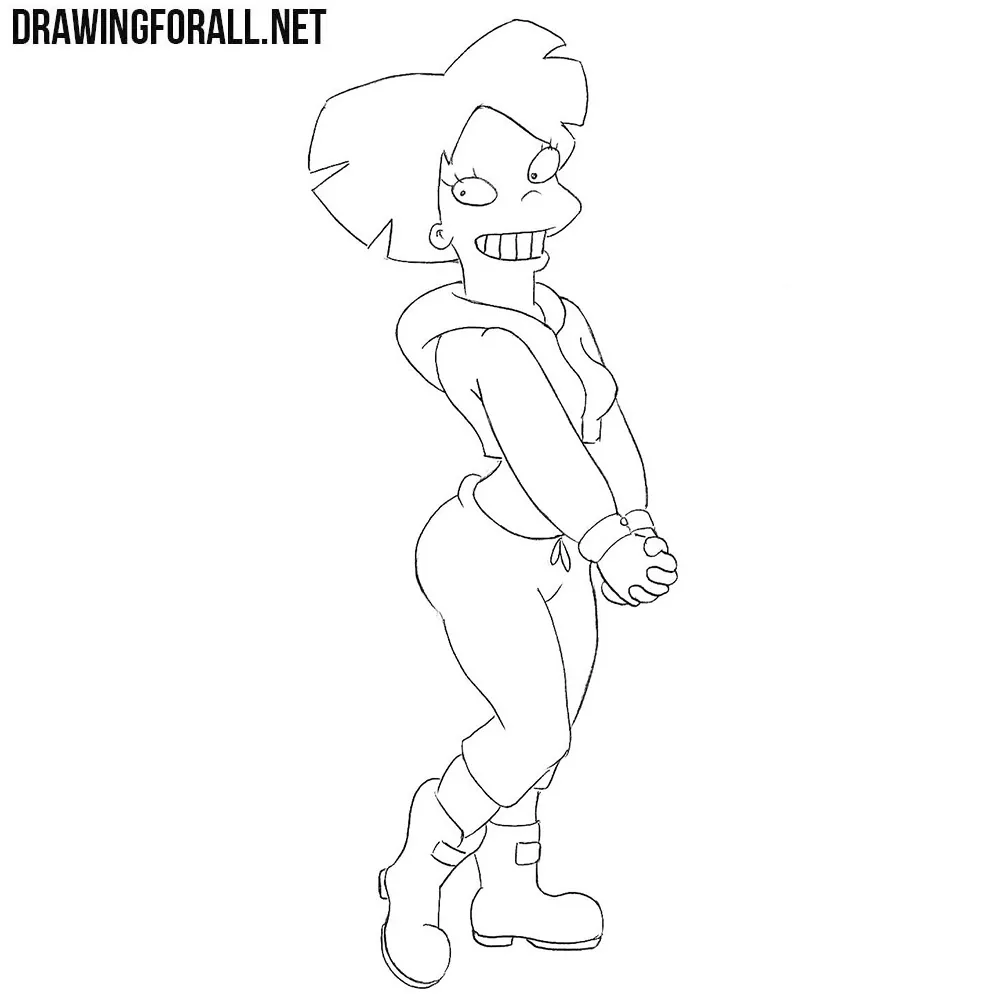
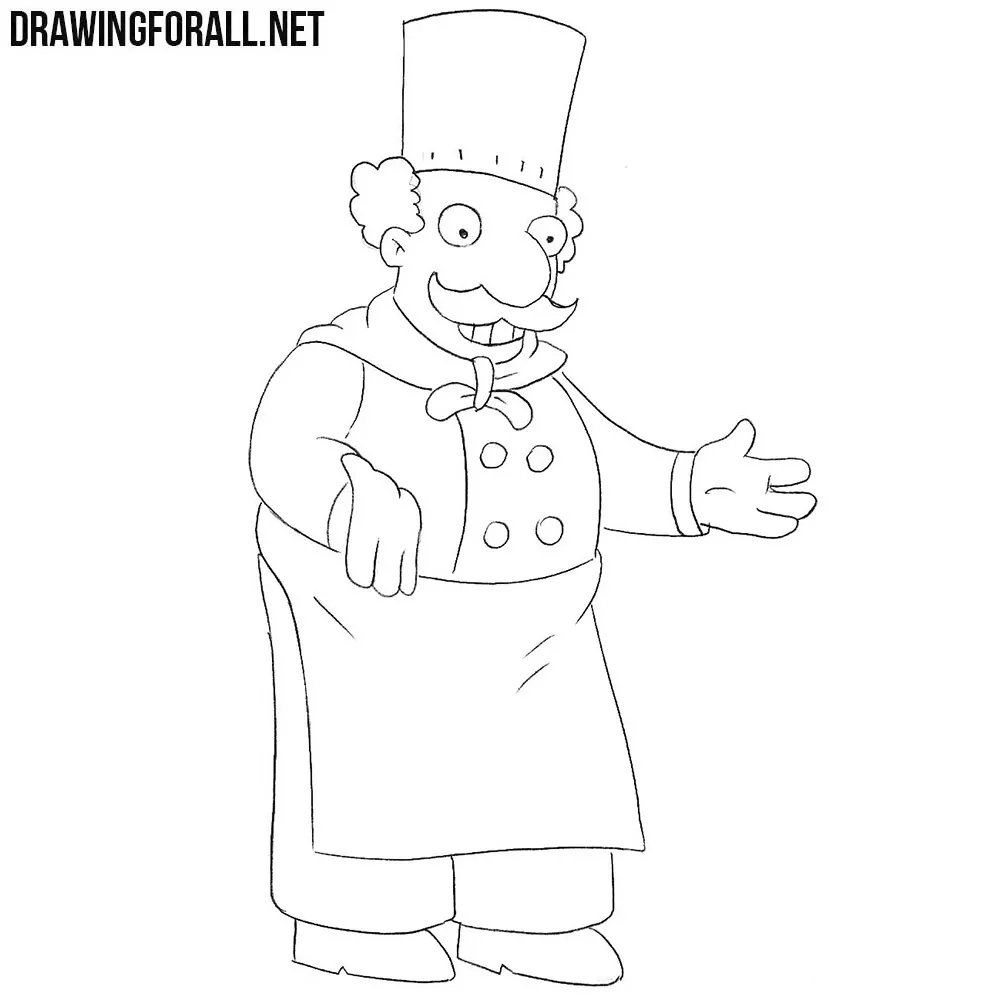
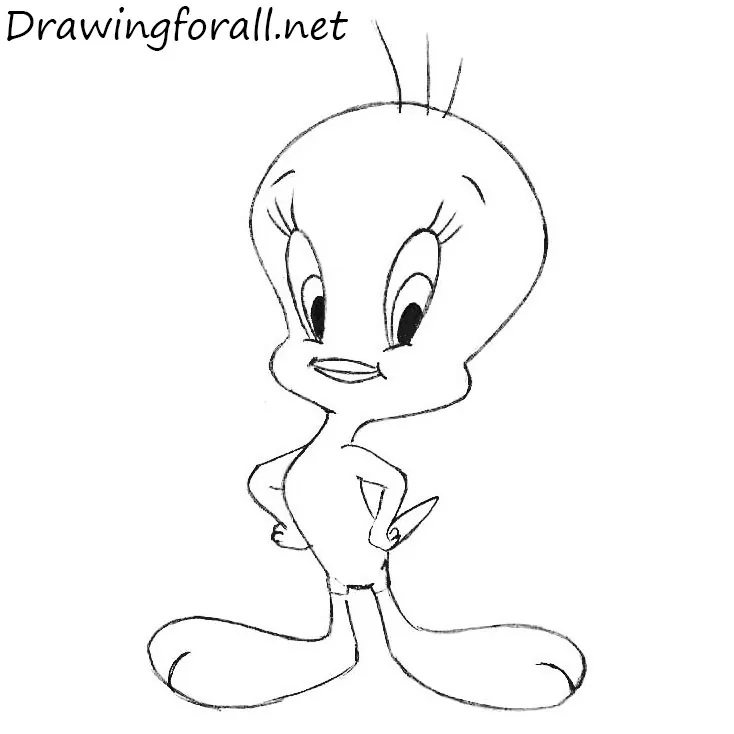
For example, you can look at the eyes of well-known cartoon characters and notice, first, how easily they are recognizable, and second, how strongly they are simplified compared to real eyes.

Expressiveness is another key feature of drawing eyes in a cartoon style.
In animated worlds, characters often have highly dynamic facial expressions, and the eyes take on a wide variety of shapes, while emotions seen in real people are greatly exaggerated.
Expressiveness and exaggeration work together here, creating the familiar cartoon emotions.

Thus, strong simplification, expressiveness combined with exaggeration, and adherence to basic artistic principles together form the foundation of drawing cartoon eyes.
Keeping all of this in mind, you should now try to practice drawing a wide variety of cartoon eyes as often as possible.
You can draw the eyes of cartoon characters separately or in combination with other facial features.
In our Cartoons category, we provide a large number of exercises for drawing well-known cartoon characters.
There you can practice drawing Mickey Mouse by capturing his characteristic eyes, or draw Homer Simpson, also trying to convey their recognizable shapes.