

How to Draw Bread
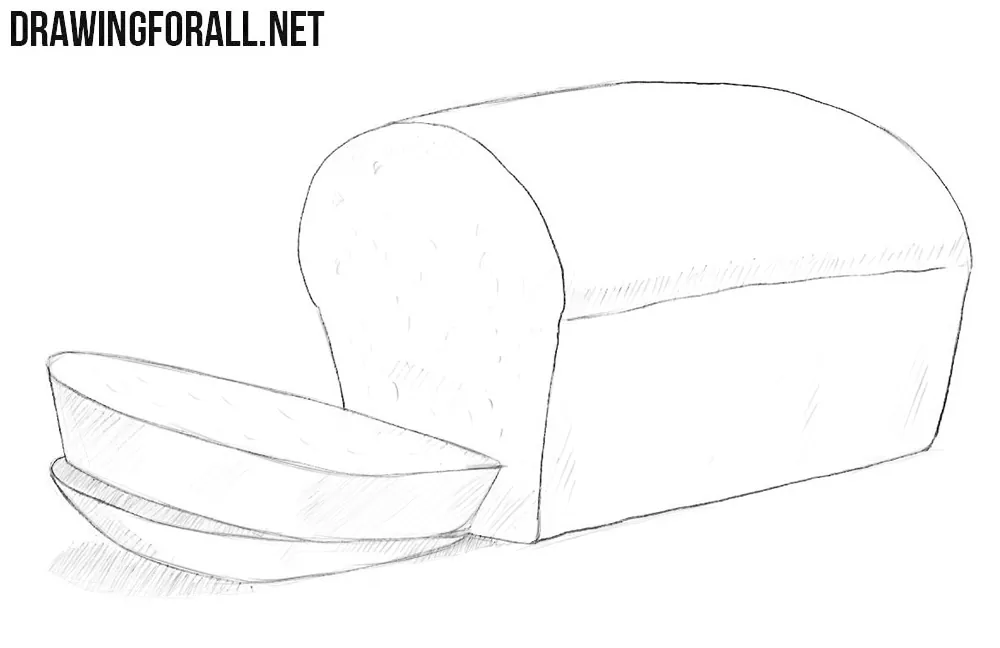
What is one of the most popular foods known to people all over the world? Of course, it is bread. In this tutorial, we will show you how to draw bread using a classic sliced loaf as an example.
Bread has been part of human civilization for thousands of years, and today it comes in countless shapes and varieties.
Using the steps from this guide, you can draw many different types of bread.
How to draw bread step by step
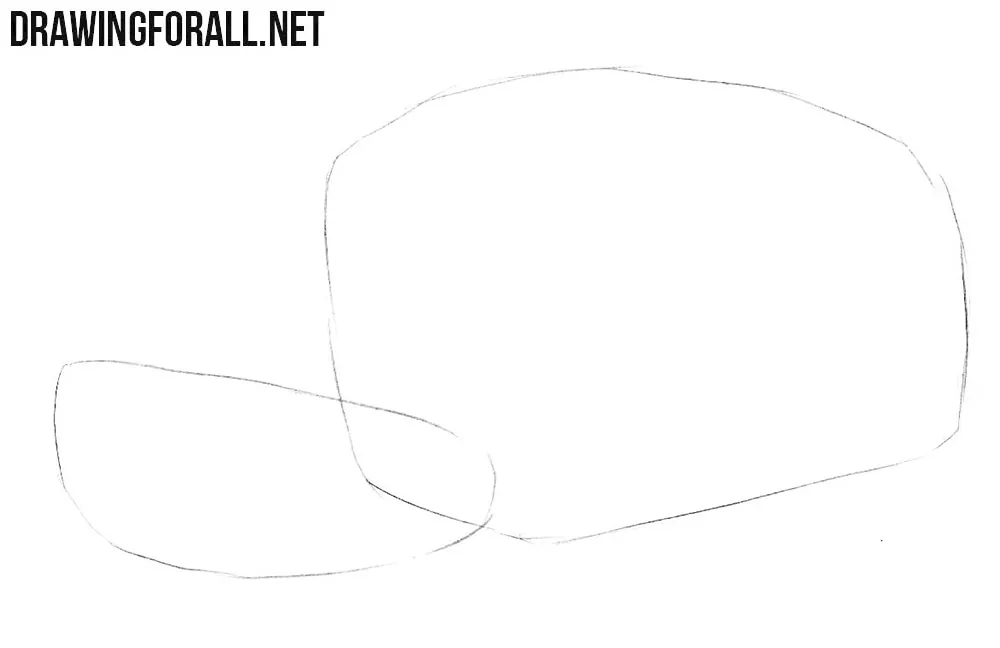
Step 1: Sketch the bread loaf
Start with the basic outlines of the loaf, sketching its overall shape with very light lines. In our case, this is a classic loaf with several sliced pieces at the front. Block in the general shape and placement of the bread without trying to draw the smaller details.
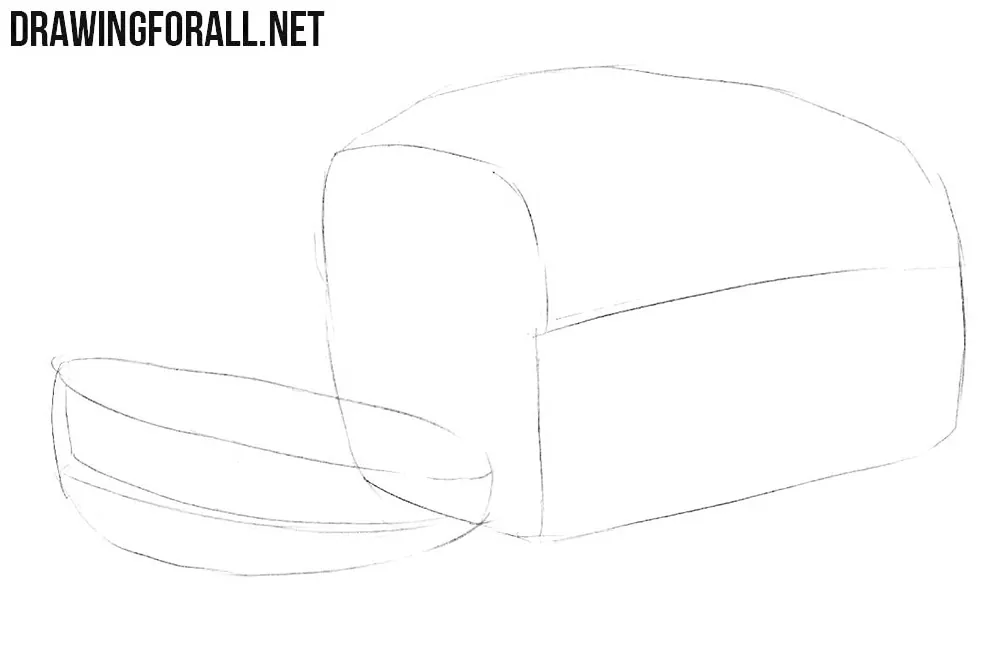
Step 2: Mark the bread slices
Now use several light lines to mark the edges of the sliced bread. Pay attention to the thickness of each slice and the way one overlaps another. At the same time, give the loaf a more believable shape.
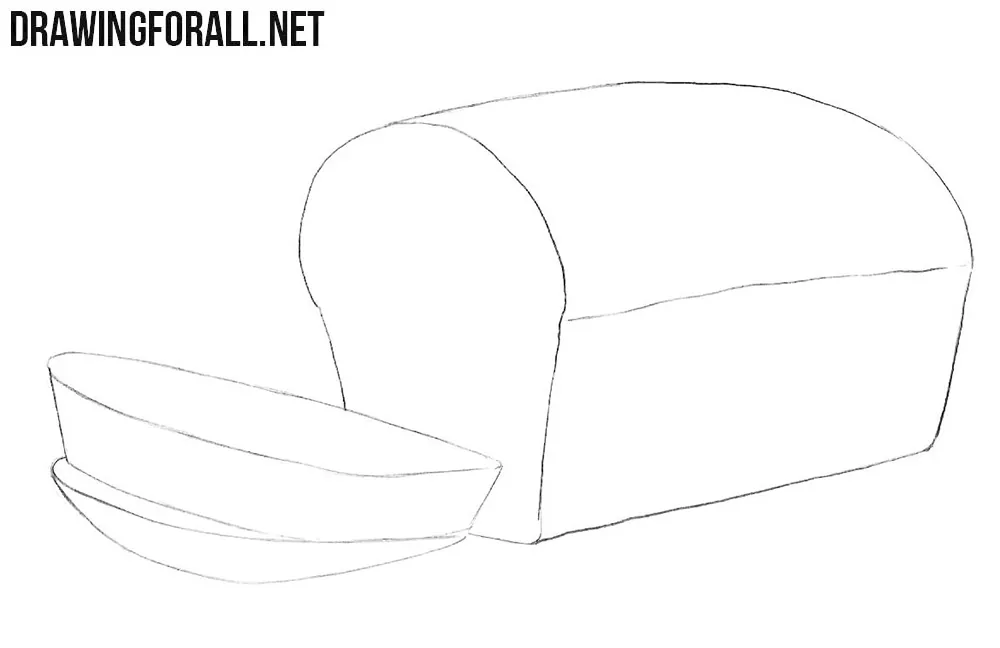
Step 3: Refine the bread contours
Using darker and clearer lines, carefully refine the contours of the loaf and each visible slice. Then erase the unnecessary construction lines. You can slightly vary the pressure on the pencil.
Step 4: Add texture and shadows
Now draw the characteristic porous texture on the cut surfaces of the bread using small dots and short irregular marks. Then add shadows with hatching to give the loaf and slices more volume. You can make the areas between the overlapping slices slightly darker. This will separate them from one another.
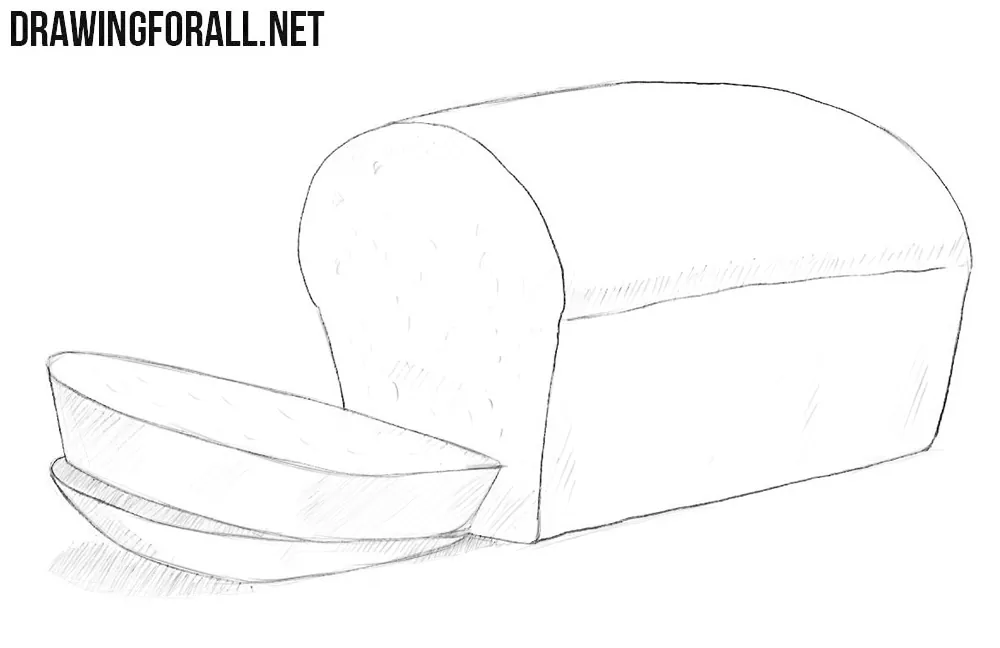
In this bread drawing tutorial, we used a classic sliced loaf, but bread can have many different shapes and textures.
Try drawing a whole loaf without slices, change its length and thickness, or make the crust more uneven.
You can also draw a bread basket and combine several loaves and slices in one composition. For more practice with baked food and its characteristic texture, try to draw a donut.


drawingforall.net is what i need, bookmarked!
This was hard for me as I drew this in a small area. IN the description or in future instructions for other items, you should mention that “need big area”.