How to Draw a Cabbage
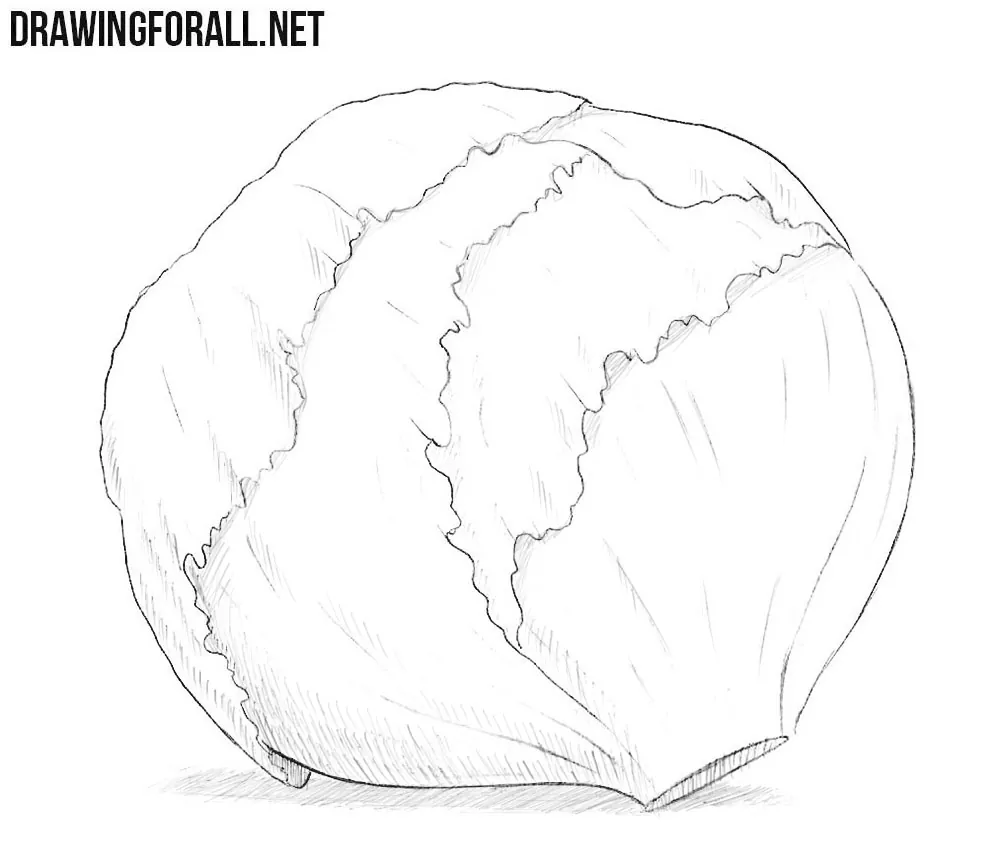
A cabbage is an irregular spherical form covered with a layered texture of leaves. In this tutorial, we will show you how to draw a cabbage, convey this spherical form, correctly depict the irregular leaves, and create basic volume with simple shadows.
The most important thing to remember before you start drawing a cabbage is that you do not need to reproduce the exact shapes of the leaves. The main thing is to follow the principles by which they are drawn.
How to draw a cabbage step by step
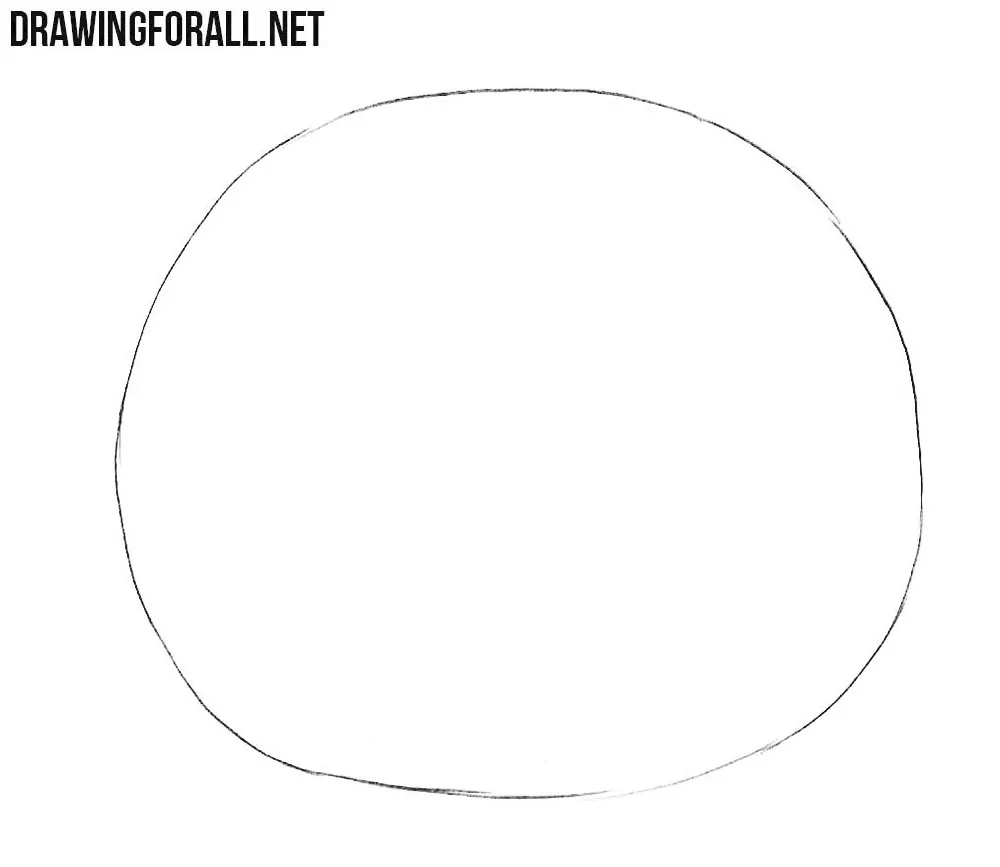
Step 1: Sketch the cabbage head
First of all, let’s sketch the outline of the cabbage head as a simple circle. Do not press too hard on the pencil in the first steps. When drawing it as a circle at this stage, remember that it is actually a spherical form. This will help you give it volume later.
Step 2: Draw the overlapping leaves
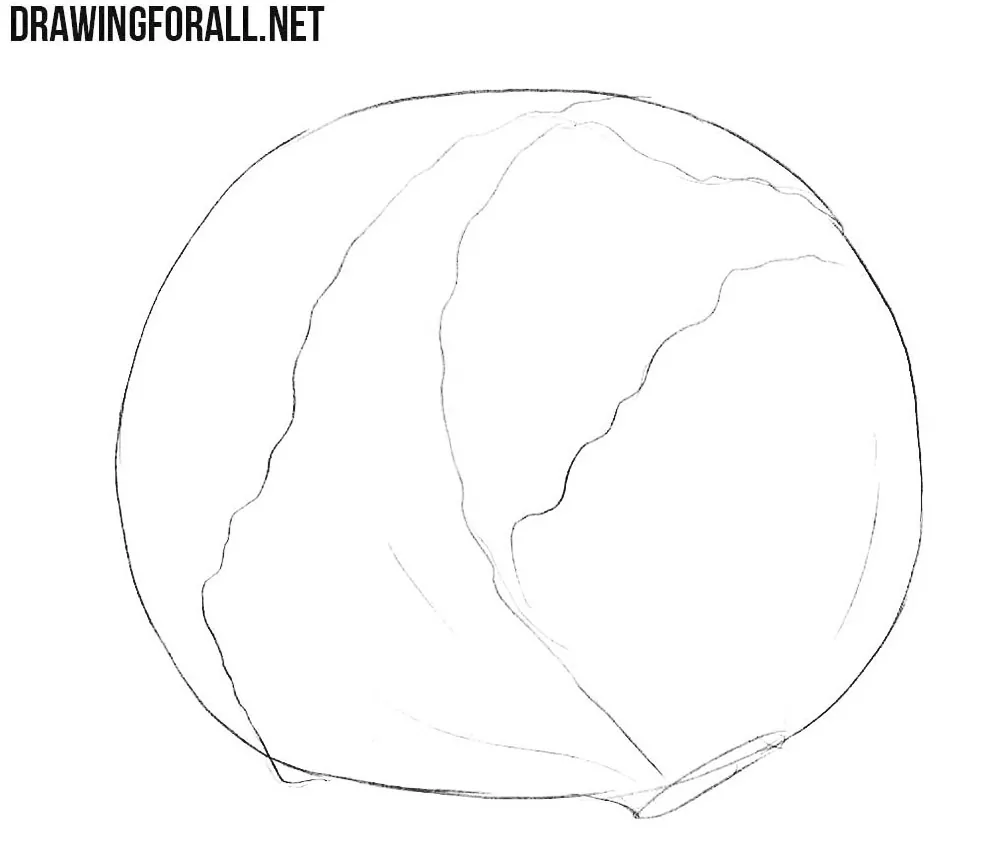
With the help of long, winding lines, draw the outlines of the cabbage leaves. Note that the leaves should be quite uneven and different from each other. These lines should separate the cabbage into broad leaf sections. Some edges disappear behind neighboring leaves and then become visible again.
Step 3: Refine the rippled leaf edges
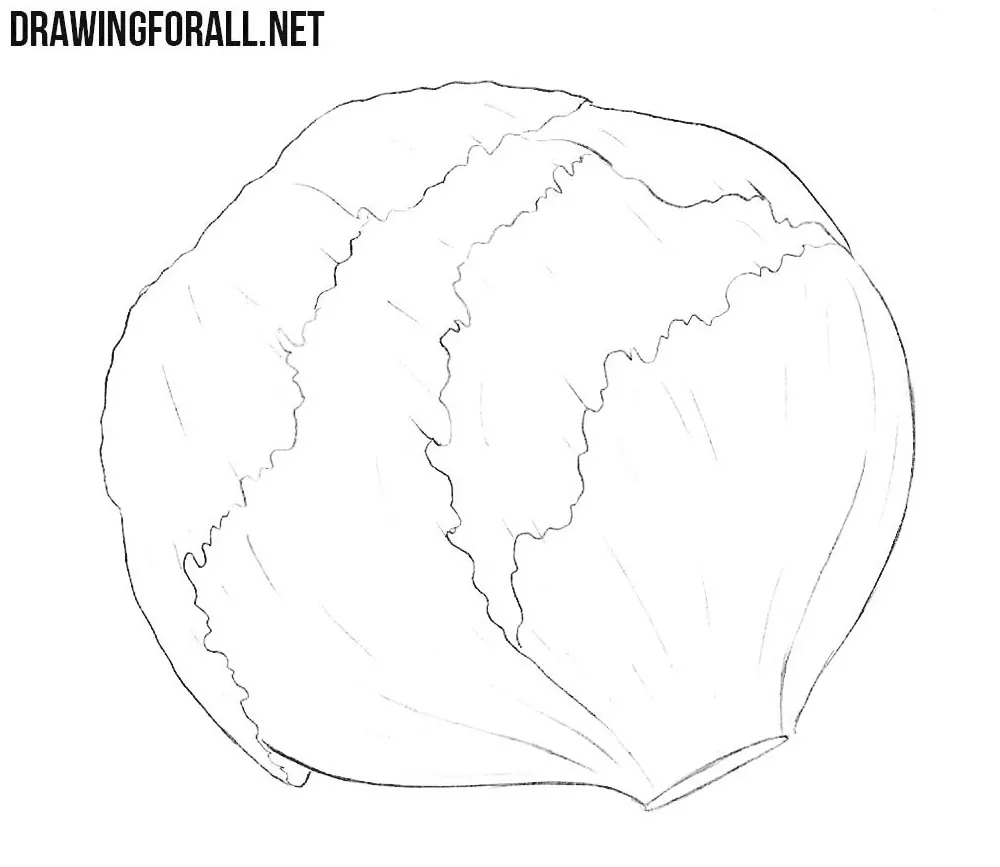
Let’s give our cabbage a more finished look. To do this, trace the whole cabbage head with clear, dark lines and erase the unnecessary guidelines. Make the exposed leaf edges more finely rippled than in the preliminary sketch. On the broad leaf surfaces, add several faint lines running from the lower attachment areas toward the upper edges. This will help indicate the direction and bending of the leaves.
Step 4: Shade the cabbage leaves
Now let’s make some final touches. With the help of dense hatching, draw shadows in the lower part of the cabbage head and add a cast shadow on the surface beneath the vegetable. Add smaller dark accents inside the narrow gaps where the leaf edges fold inward or pass beneath another leaf.
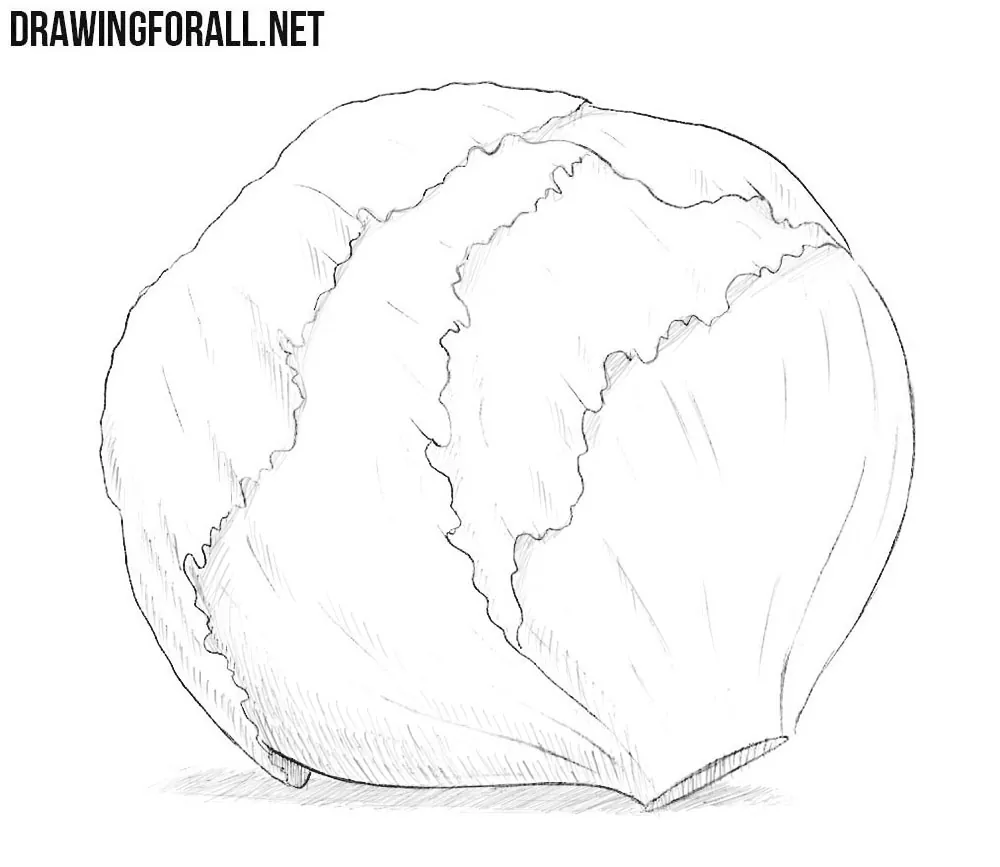
As we said at the very beginning, a cabbage is a spherical form with winding leaves that lie on top of one another in layers.
You do not need to reproduce all the contours exactly as in our example, since a real cabbage, of course, always looks different. If the shapes of the leaves in your drawing differ from ours but still follow the same general principle, then you have already done everything correctly.
To practice drawing cabbage further, try turning it in different directions in your drawings. For reference, you can use a real head of cabbage or images from the internet.
It is also important to practice drawing this type of layered leaves in general, with the leaves overlapping one another and forming the overall shape of the vegetable.
You can practice a slightly different form, for example, by drawing lettuce. You can also try drawing Brussels sprouts, which also have a layered construction but with their own distinctive features. You can combine all of these vegetables into a single composition by drawing a still life and arranging them in any order you like.